Best Customer Onboarding Software: 2026 Feature Comparison
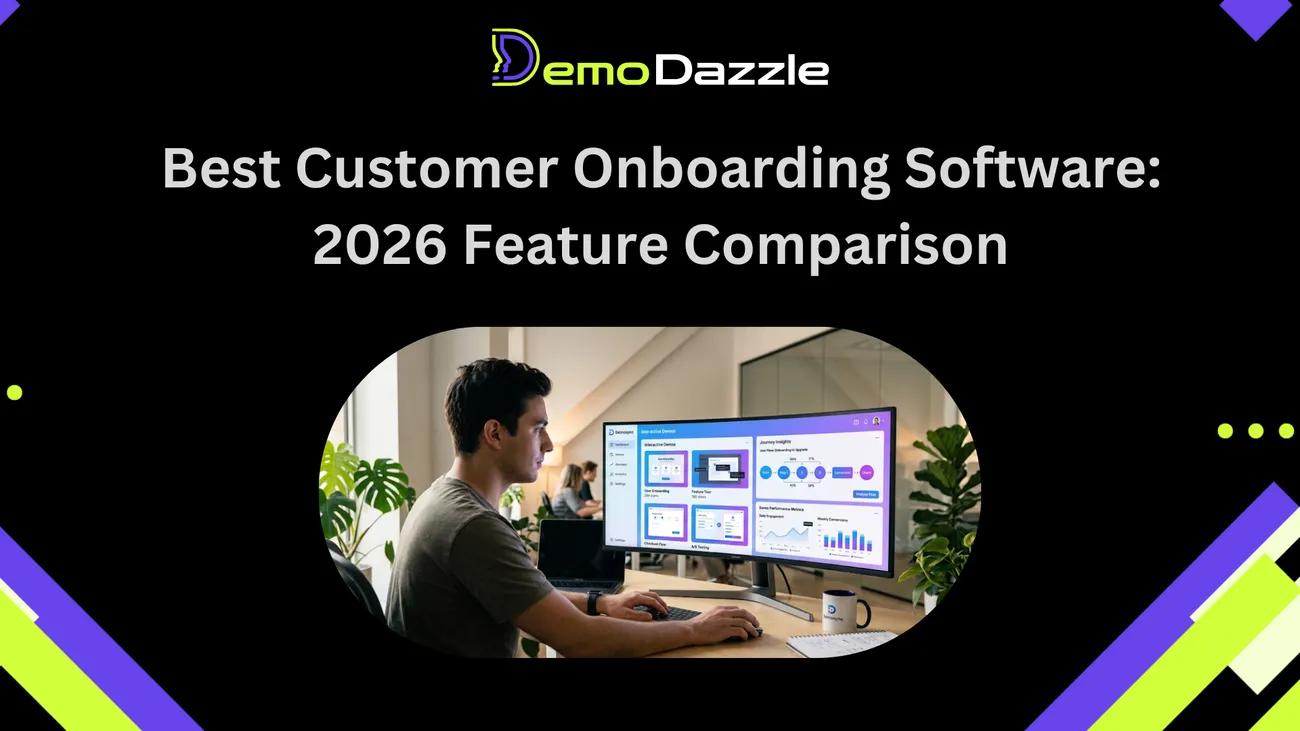
Customer onboarding software helps businesses improve product adoption, reduce churn, and accelerate customer success. Modern platforms combine automation, AI-powered virtual assistants, digital assistants, interactive onboarding experiences, and analytics to help users achieve value faster. Choosing the right solution can significantly enhance client onboarding, customer retention, and long-term business growth.
If you're responsible for customer success, product adoption, or client onboarding, you've probably noticed something: acquiring customers is getting more expensive, while retaining them is becoming more important than ever.
That's why customer onboarding has become one of the most critical stages of the customer journey.
The right onboarding experience helps customers understand your product faster, achieve value sooner, and remain engaged for the long term. A poor onboarding experience does the opposite it creates confusion, increases support requests, and often leads to early churn.
I've seen SaaS companies spend thousands acquiring customers only to lose them during the first few weeks because users never fully understood how to use the product.
This is where modern customer onboarding software makes a difference.
Today's onboarding platforms go far beyond simple welcome emails and checklists. The best solutions combine automation, analytics, AI-powered guidance, interactive product experiences, and customer success workflows to create personalized onboarding journeys at scale.
Many platforms now include a built-in virtual assistant or digital assistant capable of answering questions, guiding users through complex workflows, and reducing the workload on customer success teams.
As AI continues to reshape SaaS operations, onboarding is becoming more intelligent, more personalized, and more measurable than ever before.
In this guide, I'll compare the best customer onboarding software available in 2026, evaluate their strengths and weaknesses, and explain which features matter most when selecting a platform for your business.
Whether you're managing enterprise client onboarding, scaling a product-led growth strategy, or searching for a complete customer success platform, this comparison will help you make the right decision.
Why Customer Onboarding Matters More Than Ever
Many businesses focus heavily on lead generation and sales.
Far fewer invest the same effort into what happens after the contract is signed.
The reality is that onboarding often determines whether a customer becomes:
A long-term advocate
A power user
A recurring revenue source
or an early cancellation.
Research consistently shows that customers who achieve value quickly are more likely to:
Renew subscriptions
Upgrade plans
Refer other customers
Adopt additional features
Effective client onboarding reduces friction and helps users reach their first success milestone faster.
For SaaS companies, this directly impacts:
Customer retention
Expansion revenue
Product adoption
Net revenue retention (NRR)
Customer lifetime value (LTV)
This is why leading organizations increasingly view onboarding software not as a support tool, but as a strategic growth platform.
How AI Is Transforming Customer Onboarding in 2026
The biggest trend reshaping onboarding today is artificial intelligence.
Traditional onboarding relied heavily on human intervention.
Modern platforms now leverage:
Predictive analytics
Automated workflows
Personalized user journeys
Intelligent recommendations
AI-powered virtual assistants
Conversational digital assistants
Instead of waiting for users to ask for help, onboarding software can proactively identify friction points and provide guidance before customers become frustrated.
Imagine a new user struggling to configure integrations.
An AI-powered digital assistant can instantly:
Detect the issue
Surface relevant resources
Trigger interactive walkthroughs
Recommend next actions
Notify customer success teams if additional support is needed
This creates a faster, more efficient onboarding experience while reducing operational costs.
For growing SaaS businesses, these capabilities can significantly improve activation rates and customer satisfaction.
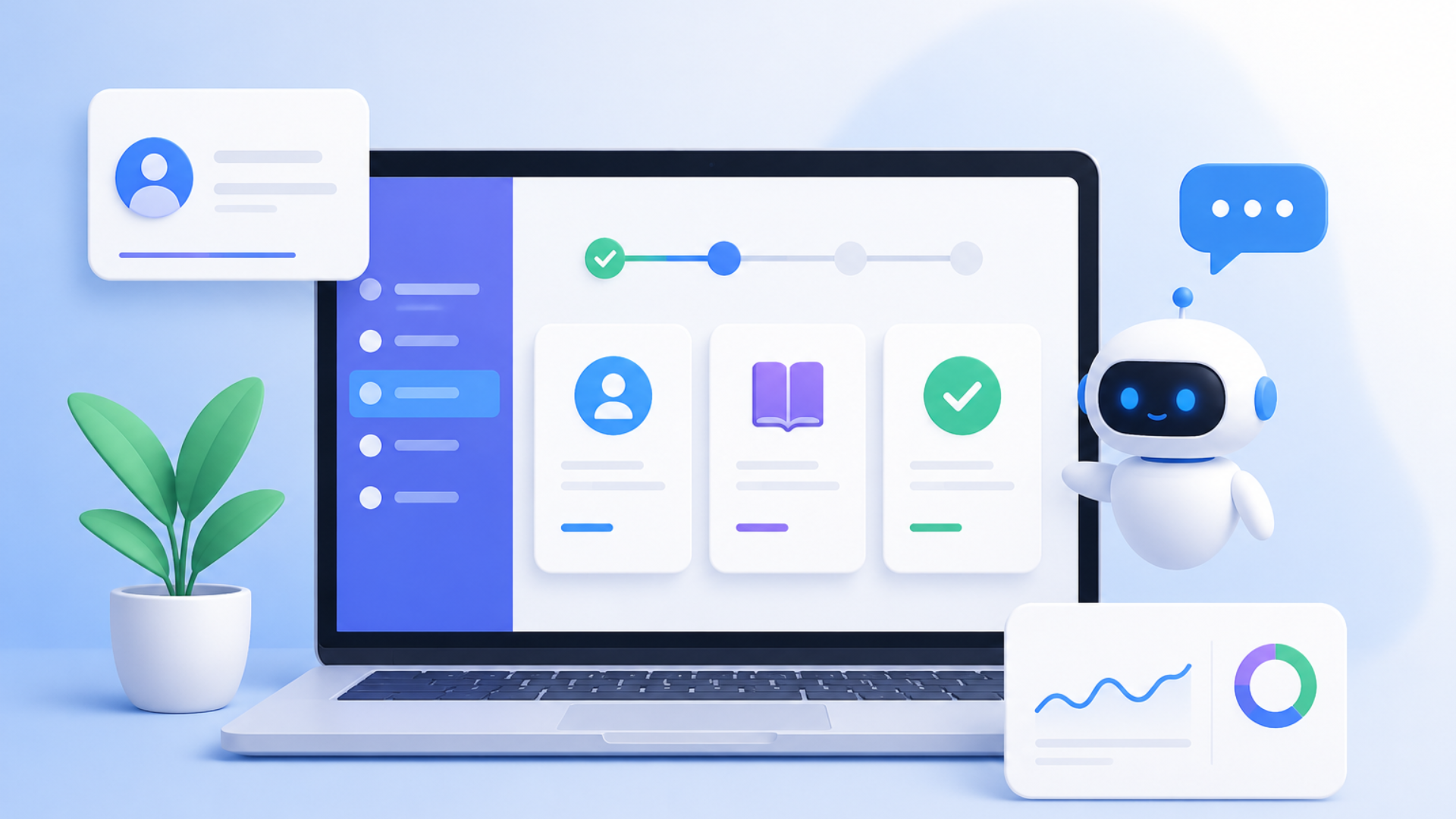
What Makes Great Customer Onboarding Software?
Not every onboarding platform delivers the same value.
The best solutions typically include:
Interactive Product Experiences
Customers learn faster when they actively engage with a product instead of reading documentation.
Interactive onboarding guides help users complete meaningful tasks while learning product functionality.
AI-Powered Virtual Assistant Support
Modern onboarding software increasingly includes virtual assistant technology that provides contextual support and answers questions in real time.
Digital Assistant Automation
A digital assistant can automate repetitive onboarding activities such as:
Account setup
User provisioning
Training recommendations
Workflow configuration
Progress tracking
Customer Success Platform Integration
Strong onboarding platforms integrate with customer success software, CRM systems, analytics platforms, and support tools.
This creates a unified customer experience and provides visibility into onboarding performance.
Analytics and Optimization
Data-driven onboarding allows teams to identify:
Drop-off points
Feature adoption trends
Activation bottlenecks
User engagement patterns
These insights help organizations continuously improve onboarding outcomes.