How AI Is Personalizing Product Demos at Scale
This blog argues that AI-powered personalized demos are essential for SaaS revenue teams because relevance and timing drive conversions. It explains how AI—through audience profiling, dynamic content assembly, language and visual tuning, interactivity, and recommendation systems—creates scalable demos that feel bespoke. The post outlines implementation stages: quick content swaps, adding dynamic flows and lightweight ML, then full real-time personalization, and stresses measurement, privacy, and common pitfalls (overpersonalizing, brittle content, poor metrics, and lack of sales training). It closes with practical starter experiments, success metrics to track, and how Demodazzle’s platform helps teams adopt demo automation more efficiently at scale.
If you run a SaaS company or lead a revenue team, you already know demos matter. A great demo can turn a curious lead into a buyer. A generic demo makes prospects check their phones. The battleground for conversion is no longer just features. It is relevance and timing. That is where AI personalized demos come in.
Here are some major points that AI is changing sales demos using tools like AI video maker, why companies need to care and how they can get start with demo automation using AI without ruining things. I will provide trading examples, pitfalls which I have noticed and easy first steps that your team can take.
Why personalization matters for product demos
Personalization is not a matter of choice anymore. Customers are demanding demos that directly address their specific issues rather than generic product tours. The demos that And my observation is that the most successful demos are those that quickly address two questions: Does this product solve my problem, and how will it integrate into my scenario?
Take, for example, a VP of Operations assessing a workflow tool and a Head of Marketing considering a campaign automation platform. Both require the same product, but what matters to them in terms of features, data, and examples is different. Giving them both a generic demo is throwing away the opportunity. Personalized product demos show relevant workflows, pre, filled data, and real, life use cases within minutes. That not only cuts down the time to value but also raises the level of engagement.
Personalization helps in three measurable ways. First, it raises demo conversion rates. Second, it shortens the sales cycle. Third, it cuts the cost of live demo time by delivering scalable demo experiences that still feel bespoke. Those are huge wins for revenue teams.
What AI actually brings to demo personalization
AI is not magic. It is a set of practical tools that automate content selection, adapt flows in real time, and tailor visuals and messaging to the person watching the demo. Here are the main things AI adds.
- Automatic audience profiling. AI can infer a buyer’s role, industry, and pain points from their firmographic data, browsing behavior, and prior interactions.
- Dynamic content assembly. Instead of a fixed script, the demo assembles relevant modules, features, and examples on the fly.
- Natural language adaptation. AI adjusts narration, labels, and help text to match the prospect’s vocabulary and technical level.
- Guided interactivity. For interactive product demos or self guided demos, AI can suggest next steps or highlight the most relevant parts of the UI for that user.
- Performance learning. The system learns what works. It optimizes demo sequences based on engagement metrics and conversion outcomes.
Put another way, AI lets you build demo experiences that feel individually crafted, but that you can deliver to thousands of leads without scaling your SDR team in the same way.
Types of AI-driven demo personalization
There are a few concrete ways to personalize demos using AI. Each has its own value and technical tradeoffs.
1. Content personalization
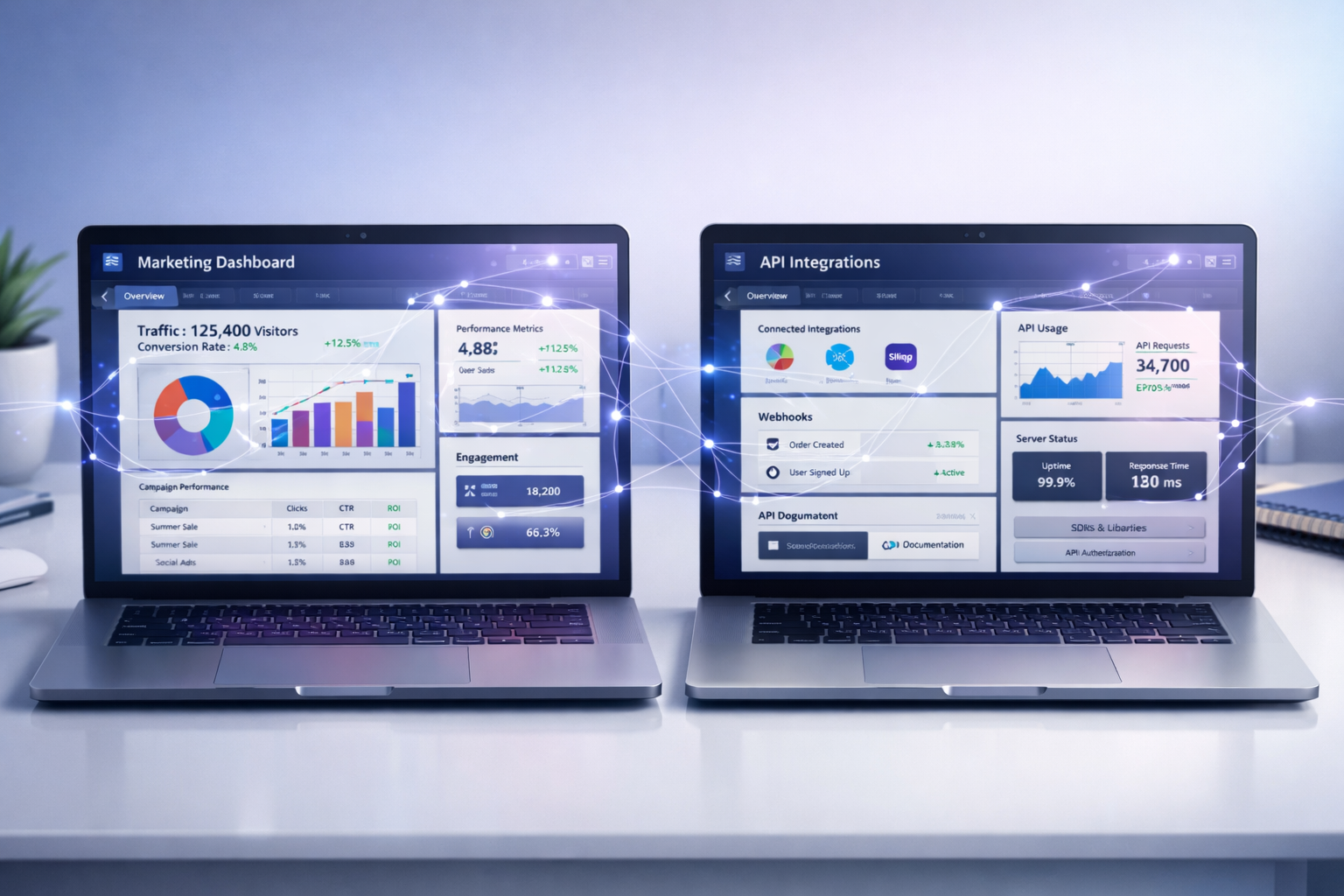
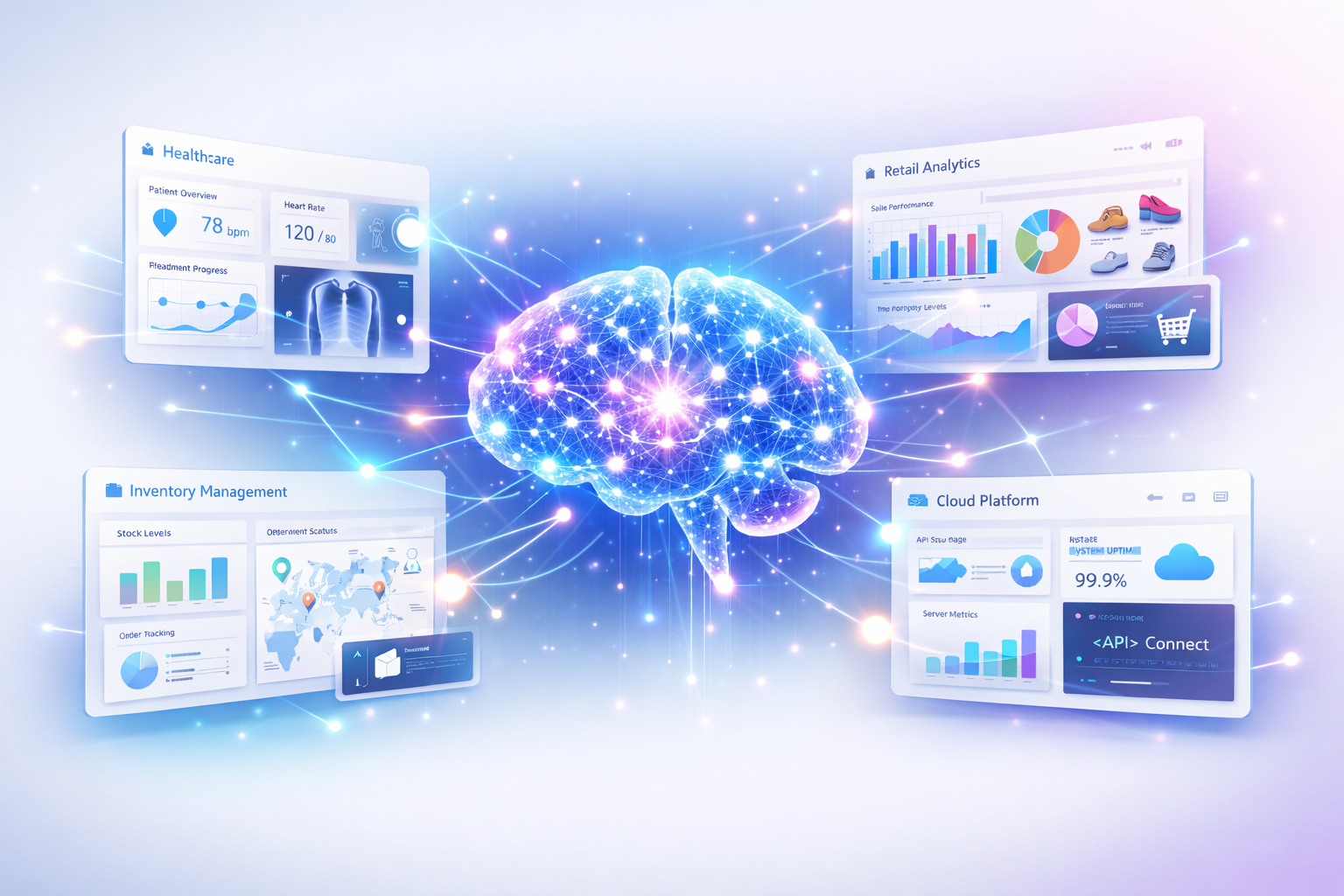
This is the easiest win. Use AI to pick which features, case studies, and metrics to show based on the prospect’s profile. For example, if a prospect is in healthcare, the demo surfaces HIPAA-related workflows and relevant customer stories. If they’re a product manager, the demo highlights APIs and integrations.
Example: a self guided demo loads with a dataset that resembles the prospect’s industry. No one likes seeing generic sample names. Swap those for industry-specific data and you instantly feel more relevant.
2. Flow personalization
Not all prospects follow the same path. Some want a quick ROI snapshot. Others want deep technical walkthroughs. AI-driven demo automation can reorder the sequence of screens and modules in real time. It adapts the flow so the demo feels tailored to the visitor’s priorities.
Simple rule: lead with what matters to them. Use AI to detect intent and show the high-impact content first.
3. Language and tone personalization
Adjusting the vocabulary can make a huge difference. Product led features sound different to engineers than to CMOs. AI can rewrite narration and captions to match the buyer persona. It can also change the level of technical detail based on signals like job title or past content consumed.
Fun aside: I once watched a demo replace "throughput" with "speed of delivery" in real time. The prospect relaxed and leaned in. Tiny language choices matter.
4. Visual personalization
AI is able to change visuals in such a way that the understanding of content becomes quicker. This could be altering charts to show metrics that are most relevant to the industry, changing logos and example data, or highlighting different elements on the screen depending on what the narrator is saying. These changes help to lower the viewer's cognitive load and the demo feels more like it was specifically made for you.
5. Interactive personalization
Interactive product demos and self guided demos can be smart. AI can suggest the next button to click, offer hints, or pre-fill forms with guessed values. These small nudges keep the prospect moving and reduce friction.
6. Recommendation systems
Consider demo personalization as ecommerce recommendations. Using similar buyers as a reference, AI is able to anticipate which features will interest the customers and emphasize those features. Gradually, the system refines its recommendations based on the demos that actually got converted into the pipeline.
How the technology works, in plain terms
There is no need to be a PhD holder to understand the mechanics. Broadly, the three main components are: persona and intent signals, content modularization, and decision logic.
- Persona and intent signals. These are inputs like company size, industry, job title, pages visited, and content consumed. They feed the AI model and help it form a hypothesis about what the prospect cares about.
- Content modularization. Break your demos into reusable modules. Think of them as Lego blocks: feature demo clips, ROI slides, integration explanations, and customer stories. Each module has metadata describing its topic, length, and target persona.
- Decision logic. This is the AI layer that picks and orders modules. It can be a rules engine augmented by machine learning recommendations. Over time, the model learns which sequences drive engagement and pipeline.
Under the hood, teams typically use a mix of NLP, embeddings, and simple classification models. For instance, embeddings let you match prospect language to content snippets that use similar words. That helps the system choose the right case study or demo clip.
For interactivity, front-end logic listens to user actions. If a prospect clicks into a settings pane, the demo can switch from an executive summary to a deep dive automatically. The demo becomes conversational and responsive without a human present.
Data and privacy considerations
When personalizing demos you are handling company and possibly personal data. That requires care. In my experience, teams that plan for privacy from the start iterate faster and avoid expensive compliance rework.
Key tips:
- Collect only what you need. If a role and industry are enough to personalize, don’t hoard more data.
- Be transparent. Let users know why the demo shows certain content. It improves trust and can actually boost engagement.
- Respect consent. Follow opt-out preferences and provide clear controls for data usage.
- Secure your assets. Demos often include sample data. Make sure production data is never exposed in demo environments.
Follow your legal team’s guidance on data residency and regulatory requirements. If you are selling into regulated industries, plan for stricter controls upfront.
How to start implementing AI demo automation
Jumping straight into a full AI demo platform can be tempting, but start small. I recommend a staged approach that balances quick wins with longer-term capabilities.
Stage 1: Quick wins with content personalization
Swap static examples for industry specific data and scripts. Create 3 to 5 modular demo clips that map to your top buyer personas. Use simple rules to select which clip plays first based on job title and industry.
Why this works: it requires minimal engineering and delivers immediate relevance. You’ll see better engagement quickly, which helps get buy-in for the next stage.
Stage 2: Add dynamic flows and lightweight AI
Introduce an orchestration layer that assembles modules based on more signals, like product pages visited or questions asked. Use a small machine learning model to rank which modules to show, and A B test different sequences.
Tip: instrument everything. Track time on module, clicks, and whether the demo led to a meeting. These metrics will guide the model and your content roadmap.
Stage 3: Full ai personalized demos and scalable experiences
At this stage you bring in deeper personalization, like natural language narration, real-time content adaptation, and interactive recommendations. You also link demo engagement data back to your CRM to inform follow up workflows and scoring.
Expect this to take more engineering and governance, but it’s where you get true ai demo automation and scalable demo experiences that replace many live demos.
Common pitfalls and how to avoid them
Personalization projects can fail for predictable reasons. I’ve seen teams stumble on the same traps. Here’s what to watch out for.
1. Overpersonalizing too early
Showing irrelevant details that you guessed wrong is worse than showing generic content. Start with conservative personalization and expand as you learn.
2. Ignoring measurement
If you can’t measure which sequences convert, you’re flying blind. Track engagement, downstream conversions, and signal quality. Use those numbers to iterate.
3. Making demos brittle
Hardcoded sequences break when your UI changes. Build modular content that can be updated independently from the orchestration logic.
4. Not training sales on the new experience
Sales teams need to know how to follow up after an ai personalized demo. Provide playbooks and snippets tied to what the prospect saw. If reps are confused, follow-up suffers.
5. Underestimating content work
AI helps pick content, but it does not create effective demo clips from thin air. Invest in concise, high-quality demo modules that map to buyer concerns.
Measuring success for AI personalized demos
Set clear metrics before you launch. Focus on a mix of engagement, pipeline, and efficiency metrics.
- Engagement. Watch play rates, time spent, module interaction, and click-throughs. For interactive product demos, look at completion rates for key flows.
- Pipeline conversion. Measure meetings booked from demos, SQLs created, and deals sourced. These tie personalization to revenue.
- Efficiency. Track reduction in live demo hours and average time to close. Scalable demo experiences should let your reps focus on higher-value conversations.
- Quality of leads. Check if demo viewers convert at a higher rate than other inbound leads. That validates your personalization logic.
Run experiments. A B test different recommendation strategies and use conversion lift to pick winners. Over time, the data will guide both your content and your AI models.
Simple, human examples you can implement this week
Want hands-on ideas? Here are small experiments that take minimal resources and yield clear signals.
- Create two demo intros: one for executives with ROI numbers and one for technical buyers with integration details. Route users to the right intro via a one question slider on your demo landing page.
- Swap demo data for the visitor’s industry. If someone from retail visits, show retail metrics and logos. If a SaaS buyer visits, show software-centric examples.
- Add a short questionnaire at the top of your self guided demo that asks a single question about priorities, then reorder demo modules based on that answer.
- Use a simple recommender that suggests the next module based on what other similar users clicked. It’s like "customers who watched this also watched that."
These moves are actionable and low risk. They’ll give your team confidence and data to build more advanced ai demo automation later.
How to scale personalized demos without blowing up your tech stack
Scaling means standardizing. Build a demo experience platform that treats content as modular and metadata-driven. Here’s a practical blueprint.
- Catalog all demo assets with metadata. Include persona, topic, length, and conversion performance.
- Build an orchestration layer that assembles modules based on metadata and signals. Keep it decoupled from the front end.
- Pipe demo engagement data back into your CRM and product analytics. Use it to improve lead scoring and follow-up sequences.
- Prioritize automations that remove repetitive live demo work, like scheduling or sending tailored follow-up packets.
- Invest in a lightweight ML platform to handle recommendations and ranking. Use simple models at first and increase complexity only as required.
With this approach, you get scalable demo experiences without hard to maintain point solutions. It gives you flexibility as your buyer base and product evolve.
Real-world wins and what to expect
Across B2B demo software use cases, teams report measurable gains from ai personalized demos. Typical results I’ve seen include:
- Higher demo completion rates for self guided demos, often improving by 20 to 40 percent.
- Double digit lift in meetings booked from demo viewers versus generic demo viewers.
- Reduction in live demo hours for common use cases, freeing senior reps for complex deals.
Those are averages, not guarantees. Your results depend on the quality of your content, the relevance of your signals, and how tightly you measure outcomes. But the pattern is consistent: better relevance equals more pipeline.
How Demodazzle helps
At demodazzle we focus on making product demo personalization approachable for revenue teams. Our demo experience platform blends AI recommendations, content orchestration, and interactive demo capabilities to create relevant, scalable demos.
We’ve worked with SaaS teams to turn single static demos into personalized experiences that map to buyer pain points. The platform supports self guided demos and interactive product demos, and integrates with CRMs so your sales and marketing teams get useful signals in real time.
If you are evaluating demo personalization software, look for a solution that lets you start small, measure quickly, and scale without rewriting your entire stack. That’s how you get real ROI from ai demo automation.
Common questions from revenue leaders
I get asked a few questions a lot. Here are short answers based on practical experience.
Will AI replace live demos?
No. AI does not replace every live demo. It replaces repetitive, early stage demos and makes live interactions more efficient. Senior reps still handle complex deals where relationships and negotiation matter.
How much engineering work is required?
That depends on how integrated you want personalization to be. Quick wins require minimal engineering. Full automation with real-time adaptation takes more work. A phased approach reduces risk.
Is this only for enterprise customers?
No. SMB buyers like relevant demos too. In fact, scalable demo experiences can be especially powerful for SMBs because they increase conversion without increasing headcount.
What’s the fastest way to show impact?
Start with industry based content swaps and a short questionnaire on the demo landing page. Track completion and meetings booked. If you see lift, expand to flow personalization and AI recommendations.
Future trends to watch
AI personalization for demos will keep getting better, but here are a few trends I expect to matter most in the next few years.
- Better session understanding. Models will get better at understanding user intent from few signals, which will improve content matching quickly.
- Richer interactivity. Expect demos that let prospects manipulate realistic datasets in a secure environment while the system suggests relevant next steps.
- Deep CRM integrations. Demo signals will be standard inputs to lead scoring and forecasting, making personalization a core part of revenue ops.
- Automated content generation. AI will help produce short demo clips and variations, lowering the content production cost.
These trends will make personalized product demos more accessible to teams of all sizes. They will also raise the bar for what buyers expect.
Final checklist before you launch
Before you roll out ai personalized demos, make sure you cover these basics. They take a little time, but they save you headaches later.
- Map persona to demo modules. Know which clips match which buyer needs.
- Define the signals you will use and ensure data quality.
- Instrument engagement metrics and connect them to CRM outcomes.
- Train sales on the new workflows and provide follow-up playbooks.
- Start small, measure, and iterate.
Wrapping up
AI personalized demos are one of the clearest ways to increase demo conversion while keeping costs under control. They let you scale relevance. They make demos feel human even when no one is in the room. In my experience, teams that embrace demo personalization see faster pipeline velocity and better use of their sales capacity.
If you want to see how personalized product demos work in practice, I recommend two things. First, try a simple experiment this week, like swapping demo data based on industry. Second, evaluate demo experience platforms that let you grow from basic personalization to advanced ai demo automation without rewriting everything.
If you’re curious about how demodazzle fits into this, we’ve built a demo experience platform that helps revenue teams create interactive product demos and self guided demos that feel tailored. We focus on helping teams get measurable results fast.
Read more: Digital Twin Walkthroughs: Why They Win Product Demos
Faqs:
1. What are AI personalized demos?
AI personalized demos are product demonstrations that can tailor themselves automatically depending on a prospect's role, industry, behavior, or intent. AI doesn't show the same generic walkthrough to everyone. Instead, it picks out relevant features, data, and messaging for each viewer.
2. How do AI personalized demos improve conversion rates?
By showing the prospects what the matters them first, they improve conversion. When buyers quickly see how the product solves their specific problem, engagement increases, demo completion rates rise, and more viewers book meetings.
3. Do AI personalized demos replace live sales demos?
AI demo automation generally replaces the repetitive early, stage demos while live demos still hold a great value for complex deals, negotiations, and enterprise conversations. Simply put, AI makes the sales process more efficient.
4. What data is needed to personalize product demos?
Most teams begin with simple indicators like job title, company size, industry, and website behavior. Demo platforms can eventually use CRM data, intent signals, and engagement metrics to perfect personalization.
5. Is AI demo automation only for large enterprises?
No. SaaS companies of all sizes can benefit. In fact, smaller teams often gain the most because scalable demo experiences allow them to increase conversions without hiring more sales reps.